As creative freelancers and small businesses, we don’t have a huge team around us. So when we choose to outsource bits of our work, or collaborate, or just find people to support us as we go through our daily self-employed life, it’s important to think about who the right people are to help us. To build our own “creative team” of the people we need.
One way of doing this is to think about styles of creative thinking.
Your Creative IDTM shows how (rather than if) you are creative…
It is a visual and memorable way of identifying your creative strengths and weaknesses across five core archetypes: Stimulator, Spotter, Sculptor, Selector, Supporter.
Watch this video to find out more…..
Why does it matter what type of people we work with?
Knowing about our own mix of creative styles can help us understand who we are, what our preferred tasks are, and to see where we might need help from someone else to fill in the gaps. As someone whose coaching business is based on helping people with specific characteristics (lots of ideas and enthusiasm for their work, but who don’t enjoy planning the details), I find this extremely valuable for explaining why and how our coaching and mentoring partnership works.
And for small businesses with one or more teams, this understanding could also help with wider business challenges, developing creative processes and new ideas.
One of the most powerful team activities I ever did as an employee was based around personality styles (not Creative ID) – we each received a personal profile and during the course of a two day workshop had the opportunity to sit down 1:1 with each member of our team to talk about how the two of us could work together most effectively. It significantly changed the way I worked with others in the team, and where there were difficulties (mainly minor ones), it showed us both why and how to improve that.
Workshops about creative thinking styles
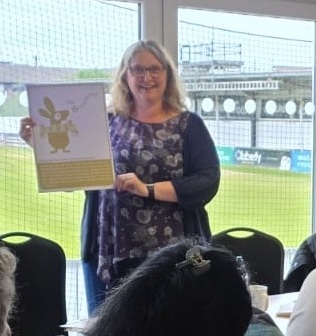
I’ve run a couple of short workshops about Creative ID this year, which were both well-received. One was for a Rotary Club, where the members regularly work in small teams to organise fundraising and community events. They found it really helpful to get some insights into the different ways people think about new ideas, and to consider how they might set their project teams up to include different points of view and styles of thinking.
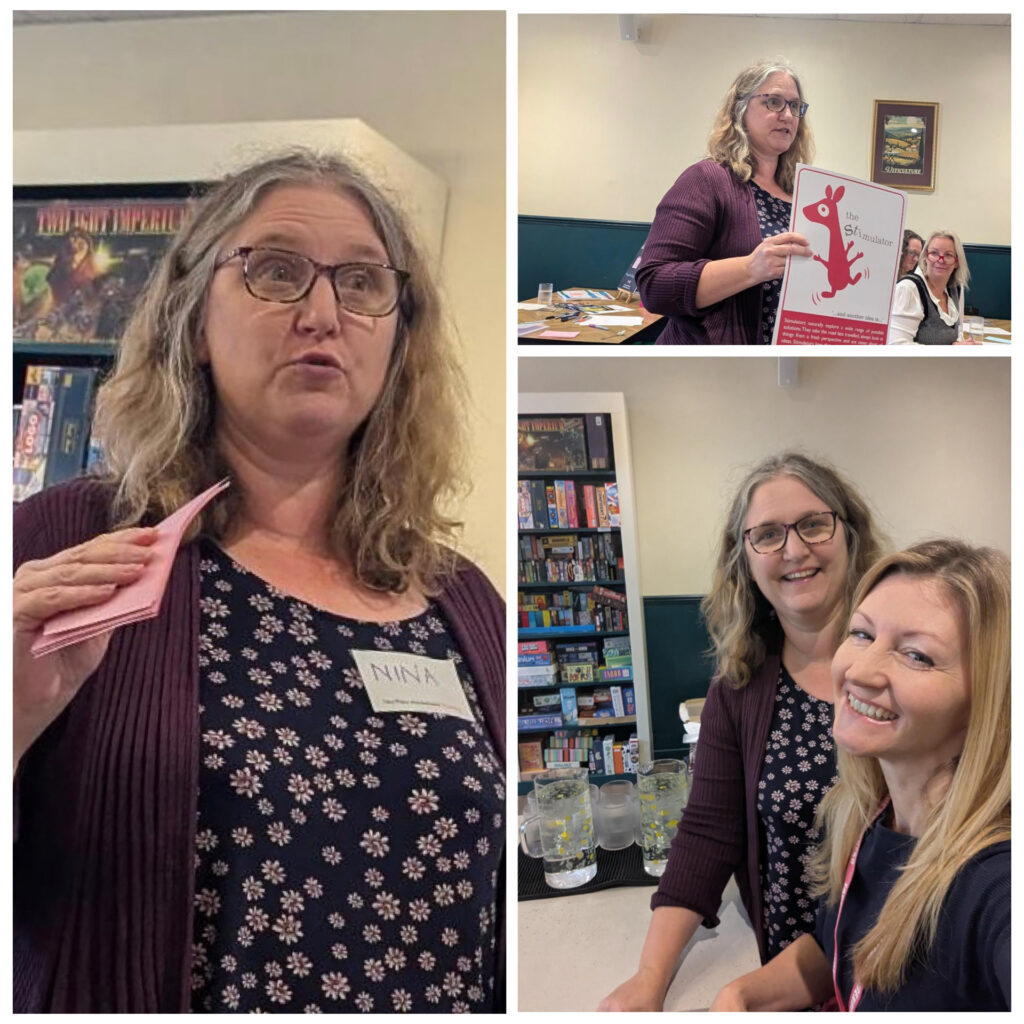
The second one was for a networking event that I attend regularly, called Face2Face Maidenhead. The people attending the event were all individuals, mostly working by themselves. And the event was held in a local games café, so some members of the café team were there listening to the talk as well.
It was really nice for me to be able to identify the people who have lots of ideas, as I know that they might need my help in future to untangle their ideas, for example for their marketing! I hope that I was able to show them what makes me an ideal person to help them when they need it.
And something unexpected that I really loved was that I gave one of the café owners a worksheet, and they filled it in with the names of their team members. So they were able to see that they had a nice spread of creative types in their team – and to think about how each person contributed to the team. That was a perfect demonstration to me of one of the powers of using a tool like this – to make people think about the fact that we are all different and have different and useful contributions to make to a team.
How you can learn more about creative thinking styles
I’m a certified Creative IDTM consultant, which means that I offer 1:1 consultations and workshops using the Creative ID profiling system. I also incorporate it into my coaching packages if it is relevant to the challenges I am helping my clients with.
Watch the video above to get a taster of the profiles and the way they are explained.
And if you’d like to know how I can help you or your team with some insights into the ways you think creatively, you can read about the options here.